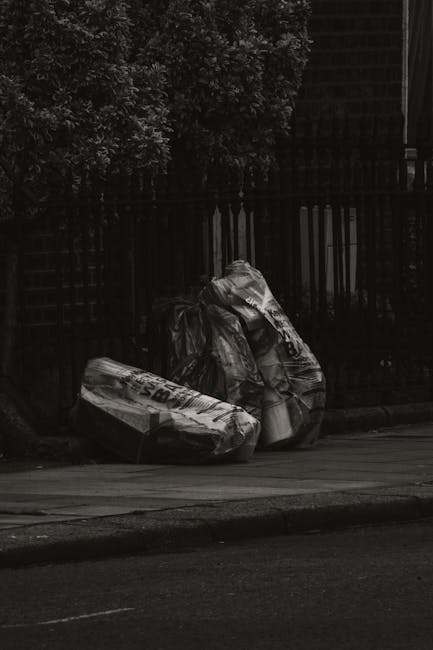
Greenhithe station area bulky rubbish collection guide
If you live or work near Greenhithe station, bulky rubbish has a habit of turning up at the worst possible moment. A broken wardrobe by the hallway, an old sofa taking over the spare room, a stack of packaging after a move, or garden waste that has quietly spread from the back gate to the path. This Greenhithe station area bulky rubbish collection guide is here to make the whole process feel less messy, less rushed, and a lot more manageable.
Whether you are clearing a flat, tidying a family home, dealing with office clutter, or just trying to get one large item out of the way before the weekend, the basics are the same: sort it properly, know your options, and choose the approach that fits the item, the access, and the timeframe. Sounds simple. In real life, of course, it rarely is.
This guide covers how bulky waste collection works near Greenhithe station, what counts as bulky rubbish, where people go wrong, and how to plan a clearance without creating extra stress. If you want to compare service types too, a good starting point is the broader waste removal service page, or the more specific furniture clearance and house clearance options when the job is bigger than one or two items.
Table of Contents
- Why Greenhithe station area bulky rubbish collection guide Matters
- How Greenhithe station area bulky rubbish collection guide Works
- Key Benefits and Practical Advantages
- Who This Is For and When It Makes Sense
- Step-by-Step Guidance
- Expert Tips for Better Results
- Common Mistakes to Avoid
- Tools, Resources and Recommendations
- Law, Compliance, Standards, or Best Practice
- Options, Methods, or Comparison Table
- Case Study or Real-World Example
- Practical Checklist
- Conclusion
- Frequently Asked Questions
Why Greenhithe station area bulky rubbish collection guide Matters
Bulky waste is not just "more rubbish". It behaves differently. A mattress, a wardrobe, a broken desk, or a pile of renovation offcuts needs more space, more lifting care, and usually a more deliberate disposal route than everyday household waste. Near Greenhithe station, that matters even more because access can be tight, parking can be awkward, and lots of properties sit in places where a quick grab-and-go is not quite as quick as you hoped.
There is also the practical side of timing. If you are clearing before a move, getting ready for tenants, emptying a garage, or trying to reclaim a room after months of stuff creeping in, delay tends to make the job feel twice as big. You notice this especially when the pile sits by a doorway for a week. It becomes part of the scenery. Annoying, really.
Good bulky rubbish collection planning saves time, but it also helps you avoid the two classic headaches: paying for the wrong service and leaving yourself with items you cannot legally or safely dump elsewhere. For people near the station, the right approach usually depends on volume, access, item type, and how fast the space needs to be cleared.
Quick takeaway: bulky rubbish collection is most useful when you need larger items removed efficiently, want less lifting and stress, and need a disposal method that is tidy, traceable, and suited to the local access situation.
How Greenhithe station area bulky rubbish collection guide Works
At its simplest, bulky rubbish collection is the removal of large household or commercial items that do not fit normal bins. Think furniture, white goods, mattresses, broken shelving, old carpets, boxes of unwanted belongings, office furniture, and some garden or builder-related waste. The exact service depends on the provider and the type of item, but the process usually follows a familiar pattern.
First, the items are identified and separated. Then access is checked. Can a vehicle stop nearby? Is there a lift? Are there stairs? Is the item too large to carry safely in one piece? These questions sound minor until someone is stuck with a sofa in a narrow stairwell. Not fun.
For the Greenhithe station area, the practical reality is that collection times, parking, and moving distance often matter as much as the item itself. A ground-floor flat with clear access is a very different job from a top-floor flat with no lift and a shared entrance. Same item, different challenge.
Most bulky collections also involve some sorting at source. Reusable furniture may be separated from broken or damaged materials. Metal, wood, textiles, and electrical items may need different handling. If you have a mixed load, it helps to say so early. That way there are fewer surprises on the day, which is always better.
If you are dealing with an entire room or property rather than a few items, a service like flat clearance or home clearance may fit better than a simple single-item collection. And for storage-heavy spaces, the garage clearance and loft clearance pages are especially relevant.
Key Benefits and Practical Advantages
There is a reason people look for a bulky rubbish collection solution instead of trying to handle everything themselves. The benefits are not just about convenience, although that part is obvious enough. They are also about safety, speed, and getting the job done without turning your afternoon into a lifting session from hell.
- Less physical strain: heavy and awkward items are handled by people used to moving them safely.
- Faster room recovery: removing one bulky item can instantly free up usable space.
- Cleaner finish: a proper collection is tidier than leaving broken furniture outside or breaking it up in a rush.
- Better sorting: items can often be separated for reuse, recycling, or specialist disposal.
- Less disruption near the station: planned collection reduces the chance of items sitting around in shared access areas.
There is also a financial angle. The cheapest option on paper is not always the cheapest once you factor in your time, vehicle hire, fuel, parking, lifting risk, and possible disposal mistakes. Truth be told, people often discover this after one of those "we can do it ourselves" weekends that drag on forever.
For jobs where items may still be usable, it is worth thinking about furniture disposal versus furniture reuse. The right route can reduce waste and, in some cases, simplify the job. If sustainability matters to you, the site's recycling and sustainability page is also a sensible place to understand how materials are handled more responsibly.
Who This Is For and When It Makes Sense
This kind of collection is useful for more people than you might think. It is not just for people with a full house to empty. Often, it is the smaller, awkward jobs that benefit most from a proper plan.
Typical situations near Greenhithe station
- You are moving out and need bulky items gone before handover.
- You have replaced furniture and need the old pieces removed quickly.
- A rental property needs clearing between tenancies.
- An office is changing layout and replacing desks or chairs.
- A garage, loft, or spare room has become a storage catch-all.
- Garden furniture or sheds have reached the end of their life.
- Builders' leftovers have been left behind after a small project.
Sometimes people start with one item and end up needing a broader clearance. That happens. A broken wardrobe reveals old boxes, which reveal another pile, and suddenly the job has grown legs. In that situation, a more general service like builders waste clearance or office clearance may be more efficient than a piecemeal approach.
It also makes sense when time is tight. If you only have a small window before contractors arrive, tenants move in, or visitors are due, the value of a reliable collection jumps up quickly. Nobody wants a half-cleared hallway on a Friday evening, with packing tape stuck to the floor and one chair still blocking the landing. Been there? Most people have.
Step-by-Step Guidance
If you want a smooth bulky rubbish collection near Greenhithe station, a sensible sequence helps. Not glamorous, but effective.
- List everything that needs removing. Include the obvious items and the awkward small bits that often get forgotten, like side tables, broken stools, or loose panels.
- Check what each item is made of. Wood, fabric, metal, electrical parts, and mixed materials can affect how the waste is handled.
- Measure the large pieces. A sofa that fits through the front door on paper may still snag on a stair bend. That little detail matters.
- Look at access. Note stairs, lifts, parking, door widths, and any restrictions near the property.
- Separate reusable from broken. If an item could be reused, say so early. It can help with sorting and disposal decisions.
- Choose the right service type. One-off bulky collection, full flat clearance, furniture-only removal, or a broader waste removal visit.
- Ask about timing and handling. Make sure the provider understands whether the job needs fast turnaround, careful lifting, or extra labour.
- Prepare the space. Clear small obstacles, unlock access, and make sure the items are reachable.
- Confirm what is included. A clear scope avoids confusion about labour, loading, disposal, and any additional item categories.
- Keep a simple record if needed. For business or landlord jobs, note what was removed and when.
A small but useful tip: photograph the items before collection if the job is large or the property is shared. It helps with admin, and it can be surprisingly handy later if someone asks what was there. Not exciting, but practical.
Expert Tips for Better Results
There are a few habits that make bulky waste removal much smoother. These are the sorts of things people learn after doing the job once or twice, or after a regrettable near-miss with a stair rail.
1. Group similar items together. Furniture with furniture, cardboard with cardboard, electrical items separate. This speeds up handling and makes the collection cleaner.
2. Keep access clear right before the collection. A front door blocked by recycling bags or a car parked too close can cause delays. Simple fix, big difference.
3. Be honest about the amount. Understating the load nearly always causes problems. If the pile is bigger than it looks, say so. Better to over-brief than under-brief.
4. Think about weather and timing. A damp morning, a narrow path, and a heavy wardrobe do not mix well. If rain is due, cover items where sensible and keep routes dry if you can.
5. Decide early whether something is worth saving. A chipped chair can be sentimental, but if it is not staying, move it on. That decision saves time.
6. Ask whether electricals or mattresses need special handling. These items often do, depending on the disposal route and their condition.
7. If in doubt, scale up the service. One small collection fee can be less stressful than arranging two separate visits. Sometimes the bigger option is actually the neater one.
One local-style observation: near station areas, jobs often run on tighter time windows because people are commuting, deliveries are coming and going, or neighbours are working from home. Keeping the collection organised and quiet matters more than people first expect.
Common Mistakes to Avoid
Bulky rubbish collection sounds straightforward until one of the usual mistakes creeps in. Here are the big ones to watch for.
- Leaving items on the kerb without checking rules: it can cause complaints, obstruction, or missed collection problems.
- Mixing everything together: mixed loads are harder to sort and can slow the job down.
- Forgetting access issues: tight staircases, locked gates, and parking restrictions are the classic tripwires.
- Assuming all items are treated the same: furniture, electricals, and construction waste may follow different handling routes.
- Not asking about excluded items: certain materials need special care, so it is better to check early.
- Underestimating the volume: a corner pile can become a full van load very quickly.
- Choosing only by price: the lowest quote is not always the clearest or most suitable option.
One of the more common headaches is hidden extras. If you want to understand how that risk can show up in practice, the article on hidden charges in Greenhithe rubbish removal is worth a read. It helps you ask better questions before booking, which is half the battle.
Another mistake is assuming every "clearance" service does the same thing. A house clearance, a furniture-only collection, and a builders waste job are related, yes, but not identical. Getting that wrong can create delays or awkward conversations on the day. Nobody wants that.
Tools, Resources and Recommendations
You do not need a van full of equipment to plan a bulky rubbish collection well, but a few simple tools help a lot.
| Tool or resource | Why it helps | Best used for |
|---|---|---|
| Measuring tape | Checks whether large items will fit through doors, halls, or lifts | Sofas, wardrobes, desks, bed frames |
| Phone camera | Lets you share clear item photos and record what is being removed | Quotes, admin, landlord records |
| Labelled bags or boxes | Separates keep, donate, recycle, and dispose items | Mixed household clearances |
| Gloves and sturdy shoes | Reduces the risk of knocks, scrapes, and sharp edges | Light sorting and prep |
| Access notes | Prevents surprises about parking, lifts, gates, and stair routes | Flat clearance, office clearance, station-adjacent jobs |
For people who want a deeper prep plan, the article on avoiding common rubbish collection mistakes in Greenhithe offers useful local context. If your job involves bags of broken down material or mixed clutter, rubbish removal bags as a skip replacement may also give you ideas for staged clear-outs.
And for broader planning, a simple written list still beats memory. Every time. Memory is optimistic. Paper is boring, but it sticks.
Law, Compliance, Standards, or Best Practice
For bulky rubbish collection, the main compliance issue is making sure waste is handled by a lawful and responsible route. In plain English, that means not fly-tipping, not dumping items in the wrong place, and not handing waste to anyone who cannot clearly explain what happens to it.
In the UK, householders and businesses both have responsibilities around waste transfer and proper disposal. The exact rules depend on the type of waste and who owns it at the time, so it is wise to treat this area carefully rather than casually. If you are a landlord, business owner, or managing agent, that caution matters even more.
Best practice usually includes:
- checking what items are accepted before collection,
- keeping a clear record for business or tenancy-related jobs,
- separating electricals, textiles, and mixed materials where practical,
- using a provider with sensible safety processes,
- making sure waste is not left obstructing paths or shared access areas.
If your clearance includes heavy lifting, sharp edges, or awkward access, safety should not be treated as a side note. The site's health and safety policy and insurance and safety information pages are useful indicators of the kind of standards a careful provider should be able to discuss openly.
For businesses, the business waste removal service can be the better fit when the load includes office furniture, stock-room clutter, or routine commercial waste. It is usually a good idea to confirm expectations in writing if the job is tied to compliance, tenancy handover, or premises management.
Options, Methods, or Comparison Table
There is more than one way to handle bulky rubbish near Greenhithe station. The right choice depends on time, volume, access, and how carefully the items need to be treated.
| Option | Best for | Pros | Watch-outs |
|---|---|---|---|
| Self-removal | Very small loads and people with transport | Can be cheap if you already have the means | Heavy lifting, disposal logistics, time, fuel, parking |
| Bulky item collection | One to several large items | Quick, focused, less effort | Needs accurate item description and access details |
| Furniture-only removal | Sofas, beds, wardrobes, tables | Well suited to household upgrades and moves | Not ideal for mixed waste or building debris |
| Full clearance | Whole rooms, flats, or properties | More efficient for larger jobs | May be more than you need for a small load |
| Builders waste clearance | DIY and renovation debris | Better for mixed heavy material | Check what materials are included |
If you are unsure, a good rule is this: if the load is mainly one kind of item, keep the service narrow. If the load has spread across multiple rooms or categories, go broader. That tends to be the cleaner decision.
Case Study or Real-World Example
A common Greenhithe station-area scenario goes like this. A couple in a first-floor flat decides to replace a sofa, a damaged coffee table, and a spare bed frame. Simple enough on paper. Then they realise the sofa will not turn neatly on the stair landing, the bed frame has been partly dismantled but not enough, and the hallway is also full of two boxes of old books they meant to sort "later".
Instead of trying to force everything through in one rushed go, they list the items, check access, and separate the books into keep, donate, and dispose piles. They also mention that the sofa is bulky but still in decent condition. That small bit of detail changes the handling plan. The collection is then arranged as a furniture-focused removal rather than a random mixed load.
The result? Less time spent moving the same item twice, less mess in the hallway, and no last-minute panic because the lift was too small for the frame. Not glamorous, but it worked. And honestly, that is what a good bulky rubbish plan looks like: boring in the best possible way.
In a different kind of job, a small office near the station may need old chairs, filing cabinets, and packaging removed after a layout change. There, the best route is usually a business-focused clearance with clear item lists and agreed access times outside busy periods. The principle is the same. Prepare properly, and the collection goes much smoother.
Practical Checklist
Use this checklist before collection day. It keeps the job tight and avoids the usual last-minute scramble.
- List every bulky item to be removed.
- Measure the largest items and check access routes.
- Confirm whether the load is furniture, mixed waste, garden waste, or builders' debris.
- Separate reusable, recyclable, and disposable items where possible.
- Take photos if the job is large or shared with others.
- Clear stairwells, hallways, and entrances before the team arrives.
- Check parking and vehicle access near the property.
- Ask what happens with electricals, mattresses, and mixed materials.
- Make sure the service scope matches the size of the job.
- Keep key contact details ready on the day.
Simple rule of thumb: if you have to move an item more than once, the plan probably needs tightening.
Get a free quote today and see how much you can save.
Conclusion
A sensible Greenhithe station area bulky rubbish collection guide is really about removing friction. The item itself may be heavy, awkward, or just plain in the way, but the process does not have to be. With clear item lists, honest access details, and a service matched to the job, most bulky collections are far smoother than people expect.
If you are facing a single sofa, a pile of old furniture, or a room that has quietly turned into storage, start with the practical questions: what is it, how much is there, and how will it be moved safely? That simple thinking saves stress. It also saves that slightly defeated feeling you get when a "quick clear-out" turns into a whole-day event.
If you want the result to feel calm, tidy, and properly handled, take the time to choose the right removal route. Small bit of planning, big difference. And once the space is clear, it really does feel better in the room.
Frequently Asked Questions
What counts as bulky rubbish near Greenhithe station?
Bulky rubbish usually means large items that do not fit in normal household bins. Common examples include sofas, wardrobes, mattresses, desks, chairs, tables, carpet offcuts, and some electrical items.
Can I book a bulky rubbish collection for just one item?
Yes. A single sofa, bed frame, or appliance is often enough to justify a collection if it is awkward, heavy, or difficult to dispose of yourself.
Is bulky rubbish collection the same as house clearance?
Not always. Bulky collection is usually for a smaller number of large items, while house clearance covers more of the property and often includes mixed contents.
Do I need to sort items before collection?
It helps a lot. Sorting by type, condition, and reuse potential makes the collection faster and reduces confusion on the day. It is not always essential, but it is smart.
What if my property near Greenhithe station has difficult access?
Tell the provider early. Stairs, lifts, parking limits, narrow halls, and long carry distances all affect the plan. Honest access details prevent delays and poor estimates.
Can old furniture be reused instead of thrown away?
Sometimes, yes. If items are in usable condition, they may be suitable for reuse or separate handling. Always mention this when booking so the right route can be considered.
Are mattresses and electrical items handled differently?
Often they are. Mattresses, fridges, freezers, televisions, and other electrical items may need specific handling depending on condition and disposal route.
How far in advance should I arrange collection?
As soon as you know the items are leaving, ideally. If the job is time-sensitive or involves access restrictions, booking early gives you more flexibility.
What should I ask before I book a collection?
Ask what is included, what is excluded, how access affects the job, whether labour is covered, and how mixed items are handled. That keeps surprises to a minimum.
Is it cheaper to do it myself?
Sometimes, but not always. Once you add vehicle hire, fuel, parking, time, and the effort of lifting and loading, self-removal is not automatically the cheaper option.
What is the best option for a mix of furniture and general clutter?
A broader clearance service often makes more sense than a furniture-only collection. If the load includes cupboards, boxes, loose clutter, and large items, a mixed clearance is usually neater.
Can businesses in the Greenhithe area use bulky rubbish collection too?
Yes. Offices, shops, and managed premises often use commercial waste or office clearance services when furniture, fixtures, or other bulky items need to be removed.
If you are planning a bulky collection now, the best next step is simply to list the items, check access, and choose the service that fits the job instead of forcing the job to fit the service. That small shift saves a lot of hassle, and a calmer clear-out is worth a great deal.